



Ground Rod Clamp Selection by Rod and Conductor Size
A ground rod clamp has to fit both the rod and the conductor without loosening or corroding. This guide covers the size and material checks. The clamp is small, but it is the point where the buried rod meets the conductor, and a poor fit there raises resistance across the whole grounding path.
Most clamp failures begin at the order desk. Someone specifies a clamp for the nominal rod size, the crew arrives with a rod that measures differently, and the clamp is forced or left loose. The same thing happens with conductor range: a clamp that closes on a small stranded wire may not seat on a large solid conductor.
Start with the rod
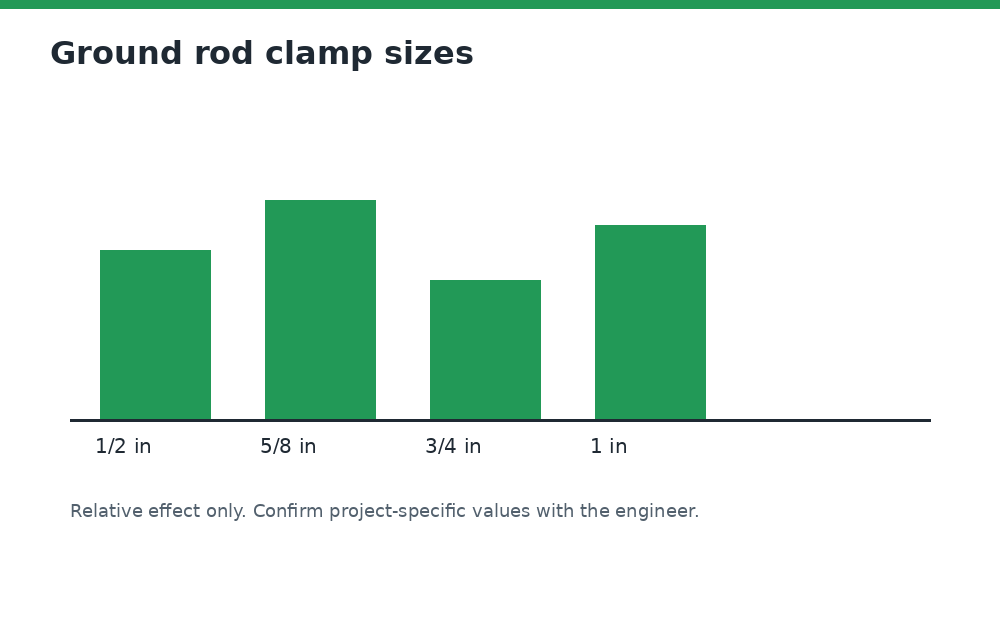
Ground rods are sold by nominal diameter, and the actual measurement can vary with the coating and the manufacturing tolerance. Check the rod with a caliper or read the permanent marking before you match a clamp. Common rod sizes include 1/2 in, 5/8 in, 3/4 in, and 1 in; the clamp range on the datasheet should cover the rod you actually have.
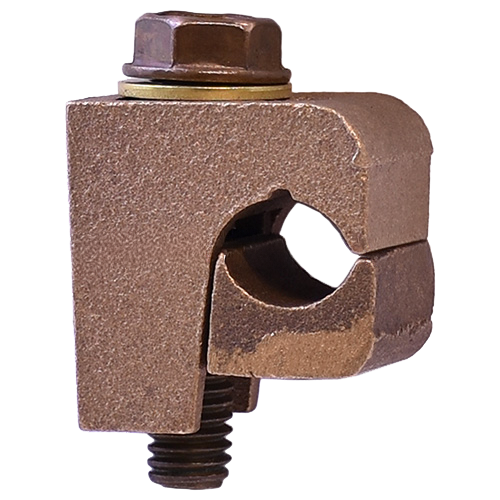
Rod material matters as much as diameter. Copper-bonded rods, galvanized rods, and stainless rods present different surfaces to the clamp. A copper alloy clamp on a copper-bonded rod is a familiar pairing. A galvanized clamp on a copper-bonded rod can work in some soils, but the joint deserves a corrosion review. The project engineer and local code govern the final selection.
Match the conductor
The clamp has two jobs, and the second one is easy to overlook. It has to grip the rod and it has to hold the grounding conductor. Check the conductor range, the conductor material, and whether the wire is solid or stranded. A clamp listed for a range that only reaches the wire when the strands are twisted will not hold a clean connection.
Strip enough insulation to seat the conductor fully in the clamp body. Too little strip length leaves insulation under the pressure plate. Too much exposes bare copper beyond the clamp and invites corrosion. Follow the clamp manufacturer's strip length and landing detail, then confirm the installed connection is visible for inspection.
Clamp styles and service conditions
The same rod can take different clamp styles depending on where the connection sits and how often someone needs to open it. Direct-burial connections need a clamp that is rated for soil contact and assembled to stay tight without service. Exposed connections at a meter or cabinet can use a style that is easier to inspect and retorque.
| Style | Where it fits | Watch point |
|---|---|---|
| Direct-burial clamp | Rod top below grade or in a vault | Coating, burial rating, inaccessible hardware |
| Exposed clamp | Above-grade rod at a service or cabinet | Corrosion at the soil-air line |
| Lay-in clamp | Continuous conductor runs | Conductor seating and plate alignment |
| Heavy-duty clamp | Larger conductors and utility services | Bolt torque and clamp body distortion |
For the wider assembly and the role of each part, see the grounding hardware guide.
Material and corrosion
Bronze and copper alloys are common for ground rod clamps because they hold up in moist soil and make a stable contact with copper conductors. Galvanized steel clamps cost less and suit some exposed locations, but the zinc coating can be consumed over time in aggressive soil. Aluminum is a poor choice for direct burial in many environments and needs careful separation from copper.
Watch the joint between dissimilar metals. Copper, galvanized steel, and aluminum sit at different points on the galvanic series, and moisture turns that difference into corrosion. A bimetallic connector, a protective wrap, or a change of material can solve the problem. Do not rely on a thin coating at a buried joint without confirming it with the engineer.
Installation and inspection
Clean the rod and the conductor landing before assembly. Tighten the clamp bolts to the manufacturer's published torque with a calibrated wrench. Pull-test the conductor by hand after tightening to confirm it does not move in the clamp. If the clamp has a saddle or pressure plate, check that it sits square and has not cocked on the rod.
At inspection, look for a clamp that has slid down the rod, corrosion product around the bolt, or a conductor that has pulled back from the clamp body. Recheck torque on exposed connections and replace any clamp that has cracked or deformed. Record the rod size, clamp model, conductor size, and date so the next inspection has a baseline.
Frequently asked questions
Can one clamp size cover every ground rod?
No. Clamp ranges are built around specific rod diameters. A 5/8 in clamp will not close properly on a 1 in rod, and a 1 in clamp may bottom out on a 1/2 in rod. Measure the rod and match the published range.
Is a bronze clamp always better than a galvanized clamp?
Bronze is a strong choice for buried connections and copper conductors, but the environment and the budget decide. Galvanized clamps serve many exposed locations. Confirm the coating and the metal pairing for the soil and climate at the site.
How tight should a ground rod clamp be?
Tight enough to hold the conductor and the rod without deforming the clamp body. Use the manufacturer's torque value and a calibrated tool. A value from another product or an older catalog page is not a substitute for the current datasheet.
What if the conductor does not fit the clamp range?
Change the clamp or use a listed reducing adapter. Do not trim strands to make the conductor fit, and do not leave part of the conductor outside the pressure plate. Confirm the correct combination with the project engineer.
Need a clamp that matches your rod and conductor?
Send the measured rod diameter, conductor size and type, and the connection location. The Quan Pham team can confirm the clamp range, material, and installation hardware for the job.
Explore the full Grounding Hardware category or browse the Hardware Guides hub.


