



Poleline Hardware: The Complete Buyer’s Guide
Poleline hardware is the hardware that keeps conductors, guys, and equipment on overhead distribution structures. A buyer has to match each part to the pole, the conductor, the load path, and the coating system. This guide maps the main hardware families and the checks that prevent fit problems, corrosion, and rework.
Overhead distribution work uses hundreds of small parts, and most purchasing errors are not dramatic. A band that is one size off, a clamp with the wrong conductor range, or a bolt with the wrong thread stops a crew at the pole. The cost shows up as a second trip, a modified assembly, or a connection that never sits correctly.
What poleline hardware includes
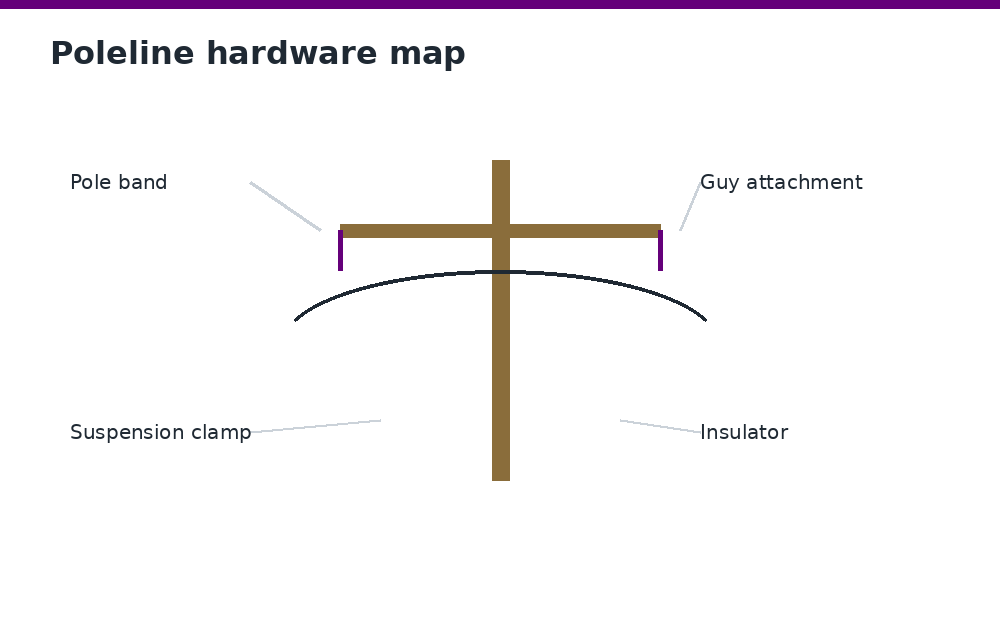
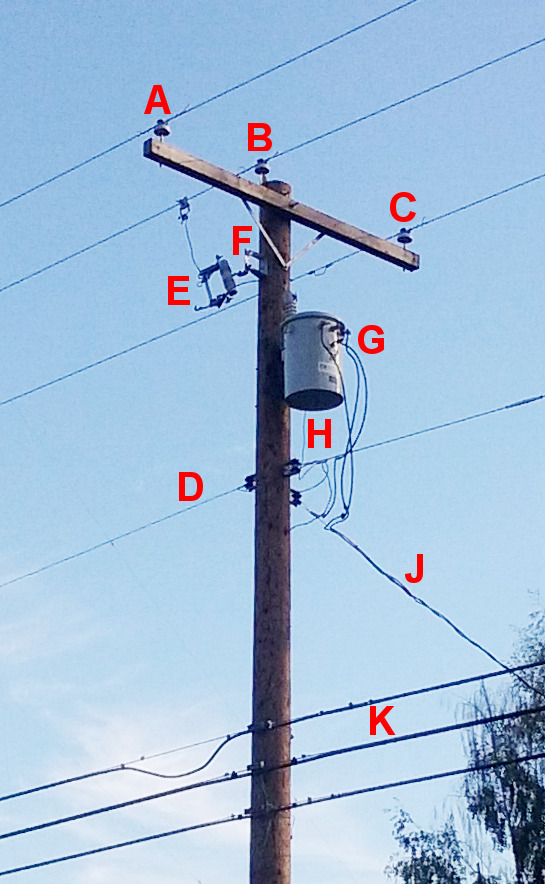
The category covers the parts that attach, support, tension, or insulate equipment on a pole. Pole bands wrap the pole to hold brackets and guy attachments. Guy attachments transfer strand tension into the pole and the anchor. Suspension clamps carry conductor weight at the support. Insulators isolate the energized conductor from the grounded structure. Bolts, washers, and lag screws hold the assembly together.
Buyers often treat these as commodity items. In practice, each family has its own dimensional logic. A pole band is sized by pole circumference at the mounting point. A suspension clamp is sized by conductor diameter. A bolt is sized by shank diameter, length, thread, and the standard it follows. Getting one dimension wrong propagates through the whole assembly.
Follow the load path
Start with the path the load takes. Conductor tension and weight pass through the suspension clamp into the crossarm or pole. Wind and unbalanced pull add load at the same point. Guy tension runs from the strand through a guy attachment, down the anchor rod, and into the earth anchor. Equipment loads, such as transformers or switches, pass through brackets and bands into the pole.
Each connection in that path needs a rated component and a correct interface. A clamp that grips the conductor properly still fails the assembly if its bail does not fit the bracket. A guy attachment rated for the strand may not match the anchor rod thread. The buyer's job is to check the interfaces between those parts.
Match parts to the structure and conductor
Pole dimensions vary by class, material, and age. Wood poles taper, concrete poles may be square or octagonal, and steel poles have their own mounting patterns. Measure the actual pole at the mounting height rather than relying on a nominal class. For conductor hardware, confirm the conductor diameter, stranding, and material, since aluminum and copper fittings are not interchangeable.
- Confirm pole material, shape, and circumference at the attachment point.
- Confirm conductor diameter, stranding, and outer surface condition.
- Confirm bolt hole diameter, bolt length, and thread pitch.
- Confirm the hardware interface: bail, hook, eye, or bracket slot.
- Confirm the coating system for every part in the assembly.
Coatings and the service environment
Most poleline hardware is galvanized steel, and hot-dip galvanizing remains the common baseline for outdoor utility service. Coastal areas, industrial atmospheres, and areas with heavy moisture or stray current need a closer look at coating thickness and consistency. Stainless steel and alternate coatings appear where the environment justifies the cost.
Coating decisions should cover the whole assembly. A galvanized bracket on a stainless band, or a plain steel bolt in a coated clamp, creates a weak point that may not show until several years of service. Field cuts and damaged threads need a compatible repair coating, applied according to the coating supplier's instructions.
Buying checklist
| Item | What to confirm | Why it matters |
|---|---|---|
| Pole band | Circumference range at mounting height, band width, buckle type | Prevents slip and uneven load on the pole |
| Guy attachment | Strand size, rod thread, attachment length and angle | Keeps guy tension aligned with the anchor |
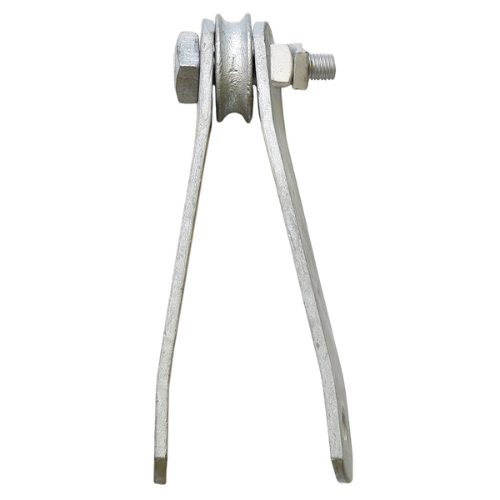
| Suspension clamp | Conductor diameter, clamp groove, cushion or liner | Controls conductor wear and slip at the support |
| Insulator | Voltage class, pin or post type, mounting interface | Maintains clearance and mechanical support |
| Bolts and fasteners | Diameter, length, thread standard, head type, coating | Ensures fit and predictable tightening |
Ask for the current datasheet for each part and check the dimensions against the drawing, not against a previous order. Product lines change, and a substitution that looks equivalent may have a different thread or a different grip range. Where a value is not printed on the datasheet, ask the manufacturer's engineer rather than assuming it.
Where buyers get into trouble
The most common problem is mixing standards. A bolt made to one dimensional standard may not accept the nut or washer made to another. The second most common problem is sizing hardware from a nominal pole class instead of a measured circumference. Both errors are avoidable with a tape measure and a thread gauge at the specification stage.
Another frequent issue is ordering the attachment without the mating part. A guy hook needs the correct eye nut or thimble. A suspension clamp needs the right bail or bracket. Treat the assembly as a system and list every interface on the purchase order.
Frequently asked questions
How do I know which pole band size to order?
Measure the pole circumference at the height where the band will sit, then compare that measurement with the band's stated range on the current datasheet. Pole taper and out-of-round sections mean the measurement should be taken at the actual mounting point.
Can I mix hardware from different standards on one pole?
It is possible when the interfaces match, but it needs a deliberate check. Confirm thread, hole diameter, and load path for each connection. Mixing standards without verifying the fit is a common source of field rework.
What coating should I specify for coastal service?
Coastal exposure usually calls for a more corrosion-resistant coating or a heavier galvanized layer than inland service. Confirm the coating thickness and repair method with the manufacturer, and keep the coating system consistent across the assembly.
Do I need to replace the whole assembly when one part fails?
Replace the failed part and inspect the parts that share its load path. Corrosion and wear often appear at interfaces, so a failed clamp may indicate a damaged bracket or bolt that is not obvious from the ground.
Need help specifying poleline hardware?
Send the pole dimensions, conductor size, bolt standard, and coating requirement. The Quan Pham team can confirm the parts and interfaces and quote the assembly.
Explore the full Poleline Hardware category or browse the Hardware Guides hub. For the anchor side of the guy assembly, read Earth Anchors Explained: Types, Applications, and How to Choose.


